A privacy breach can put someone's life at risk
By Deidentified · 25 Nov 2026 · 2 min read
Today is the International Day for the Elimination of Violence against Women, marking the beginning of the 16 Days of Activism against Gender-Based Violence, running from 25 November to Human Rights Day on 10 December. It's an important reminder that protecting personal information is also about protecting people.
In December 2025, Queensland's Information Commissioner reported on seven cases where police documents disclosed the residential addresses of domestic and family violence victim-survivors to offenders.
In three of those cases, a police information system automatically inserted victims' full addresses into documents provided to offenders. Manual checks failed to prevent disclosure across all seven cases.
The Commissioner found that these practices "exposed domestic violence victims to risk of further harm, and that further harm did occur."
An everyday process, not a cyberattack
This wasn't a cyberattack. It was an everyday administrative process that failed to adequately protect sensitive information.
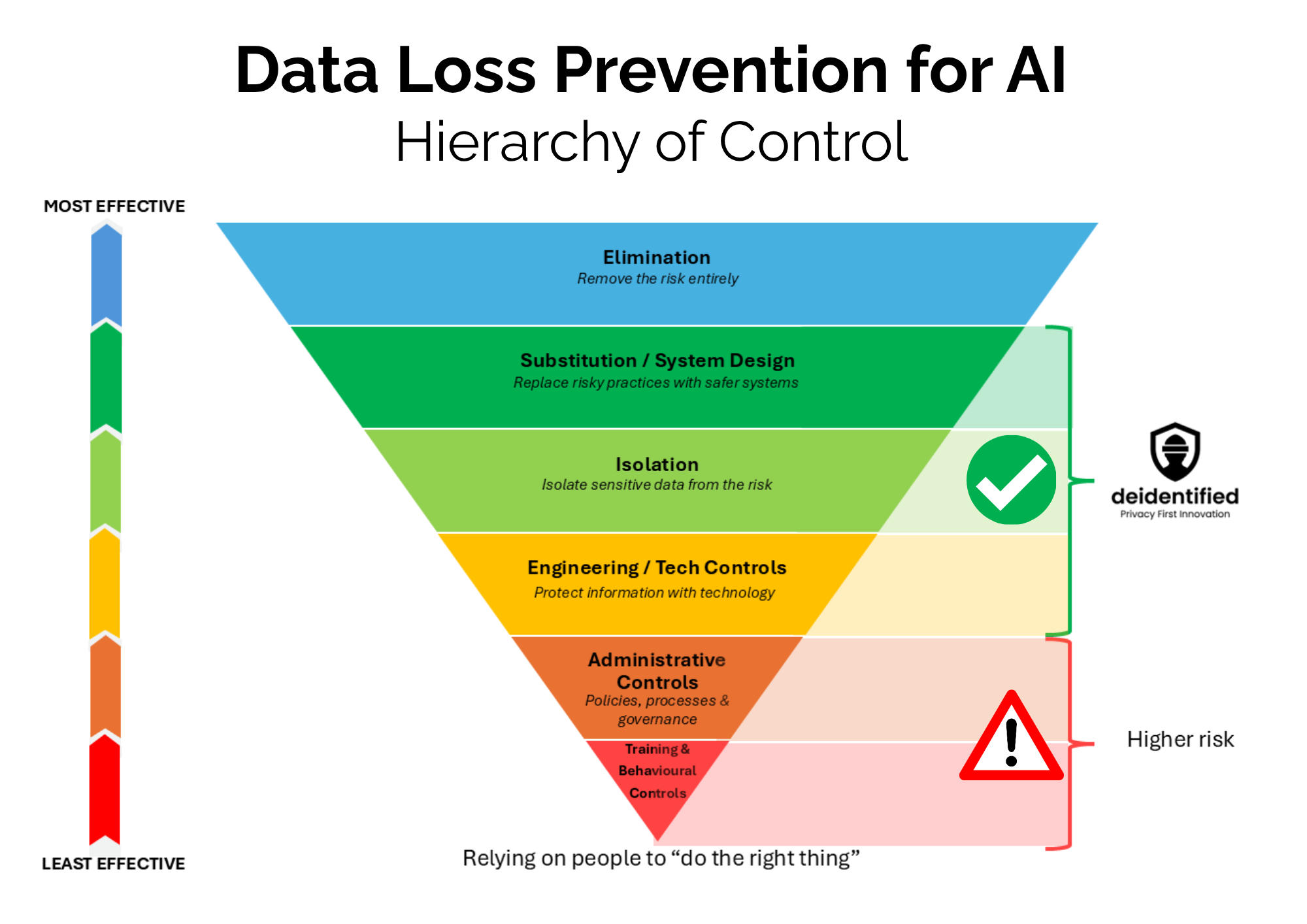
The existence of policies and procedures hadn't translated into effective protection in practice.
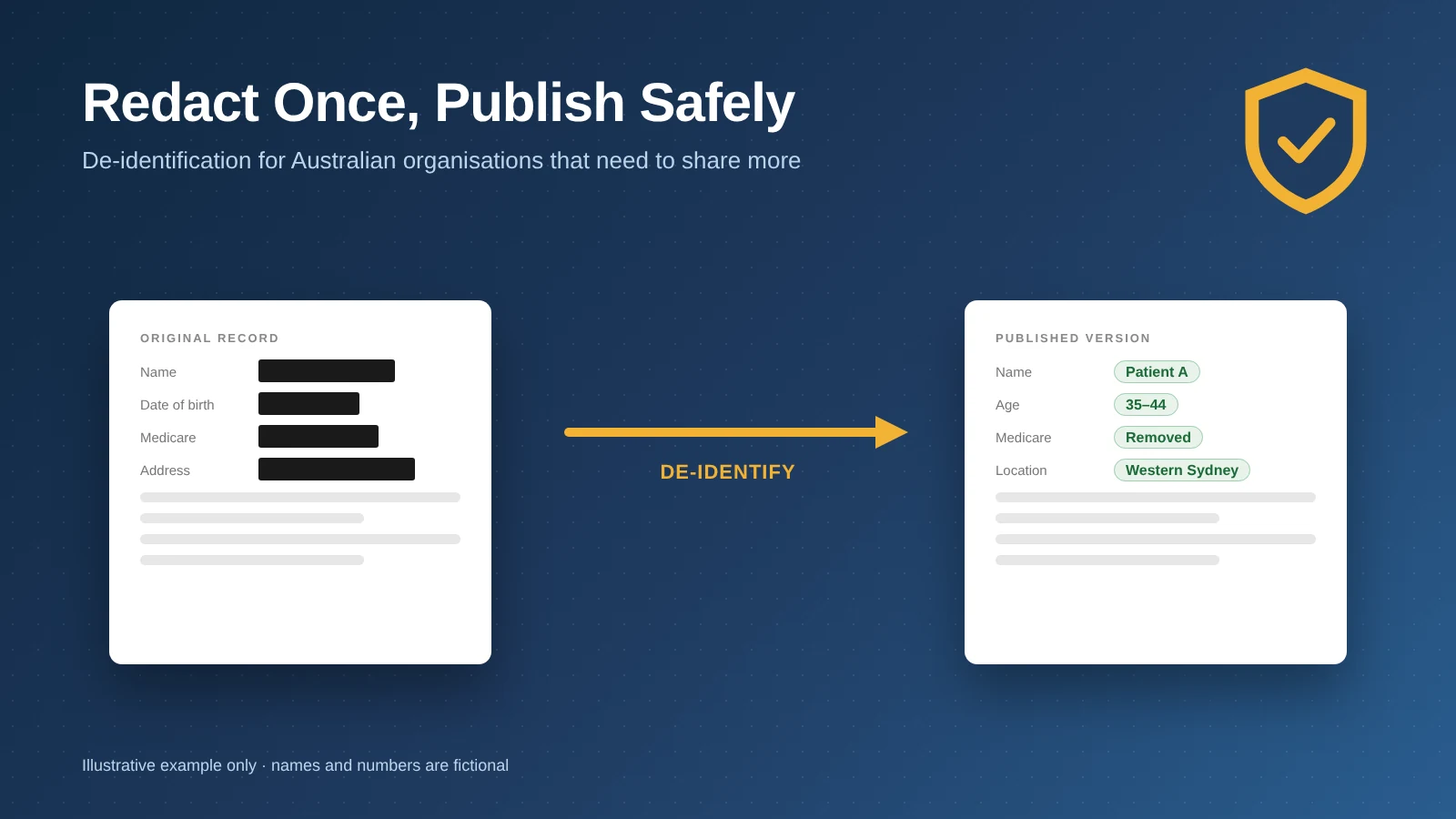
The review highlighted the importance of safeguards built into systems, including automatic redaction and prompts reminding staff to consider victims' safety.
The lessons extend beyond policing
Councils, health services and other organisations routinely handle and share personal information, sometimes concerning people experiencing significant vulnerability.
The question for organisations is whether their systems and processes adequately protect that information, or whether they rely on staff catching every sensitive detail before it is released.
Good privacy governance isn't just about protecting data. It's about protecting people.
Source: Queensland Office of the Information Commissioner, Prioritising privacy to keep victims safe
If you or someone you know is affected by domestic, family or sexual violence, 1800RESPECT is available 24/7 on 1800 737 732.
See Deidentified in Action
🔊 Turn sound on